Perspective in life is shaped more by humility, openness, and lived experience than by education, status, or titles.
Viewing life from a third-person perspective helps reduce ego and self-importance.
Wisdom is often found in ordinary, uneducated people who live with compassion and gratitude.
True understanding values kindness, equality, and shared humanity over success or social position.
Meaningful perspective comes from connection and empathy, not pride or achievement.
Perspective in Life: How the Third-Person Point of View Builds Wisdom, Humility, and Meaning
TL;DR — Summary & Key Points
Table of Contents
What Perspective in Life Really Means
Perspective in life is not something people gain instantly. It develops slowly as they encounter different situations, make mistakes, and learn from people who live differently from them. Over time, it becomes the ability to pause before reacting and to consider that one’s own view may not be the only valid one.
Perspective manifests itself in commonplace circumstances through self-control, compassion, and candor. Because they recognize that circumstances, timing, and experience shape life, people with perspective seldom jump to conclusions. They consequently have a tendency to speak with intention rather than certainty and listen more.
Understanding Perspective in Life Through a Third-Person View

A third-person view allows a person to step back from emotions and observe situations more clearly. Instead of reacting immediately, this perspective encourages reflection. In many cases, it reveals how personal bias, pride, or fear may be influencing judgment.
When people learn to see themselves as part of a larger human story, their understanding deepens. This shift does not remove responsibility; rather, it increases accountability. By viewing life from a third-person angle, individuals often make fairer decisions and develop greater patience with others.
What Life Teaches Us Through Humble People
Humble people rarely announce their wisdom. Instead, they demonstrate it through consistency, respect, and self-control. In everyday interactions, humility appears in small but meaningful ways—listening without interrupting, helping without expecting praise, and treating everyone with equal dignity.
Because humble individuals do not compete for attention, they often observe life more clearly. Through their behavior, they teach that wisdom does not require recognition. Over time, their example leaves a lasting impression that words alone cannot achieve.
How Uneducated People Teach Valuable Life Lessons

Many uneducated people develop strong life perspective because their learning comes directly from experience. Without relying on theory, they adapt through necessity, responsibility, and close interaction with others. As a result, their understanding tends to be practical and grounded.
In daily life, these individuals often demonstrate clarity about what truly matters. They understand effort, fairness, and consequence because they have lived them repeatedly. This kind of wisdom is not measured by credentials but by how well it applies to real situations.
How Experience Shapes Perspective in Life and Character
Life experience shapes wisdom by challenging assumptions and forcing reflection. When people face hardship, responsibility, or failure, they gain insight that comfort alone cannot provide. Over time, these experiences strengthen character and refine judgment.
Those who reflect on experience rather than resist it often grow more patient and compassionate. Instead of becoming hardened, they become understanding. In this way, life experience acts as a teacher that continues to shape wisdom long after formal learning ends.
What Defines True Wisdom in Everyday Life
True wisdom appears in everyday behavior rather than grand statements. It shows itself in how people treat others when no one is watching and how they respond when things do not go their way. Often, wisdom is revealed through calmness rather than control.
In contrast to intelligence, wisdom accepts uncertainty. Wise individuals recognize their limitations and remain open to learning. Because of this openness, they continue to grow rather than defend outdated beliefs.
Why Humility Matters More Than Status
Status may influence how people are perceived, but humility determines how people connect. Humility allows individuals to interact without hierarchy and to learn from anyone, regardless of background. As a result, communication becomes more honest and relationships more genuine.
Over time, status fades, but character remains. Humble people understand this reality and choose behavior that reflects long-term values rather than temporary recognition.
How Ego and Pride Distort Perspective in Life
Ego and pride often narrow perspective by placing the self at the center of every situation. When this happens, feedback feels like an attack, and disagreement feels like disrespect. Consequently, learning becomes difficult.
As pride increases, perspective decreases. People may overlook valuable insight simply because it comes from someone they perceive as less important. Letting go of ego, therefore, becomes essential for maintaining a clear and accurate view of life.
Why Kindness and Compassion Matter More Than Success
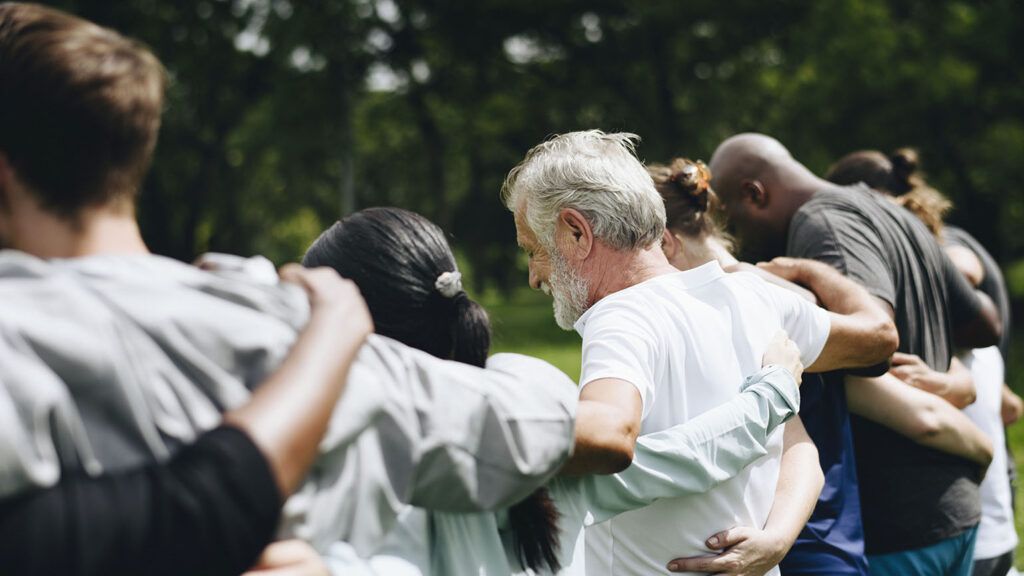
Success may bring visibility, but kindness creates trust and connection. In everyday life, compassionate actions often leave a stronger impression than professional achievements. Over time, people remember how they were treated more than what others accomplished.
Because compassion acknowledges shared humanity, it strengthens communities and relationships. In contrast, success without empathy often leads to isolation rather than fulfillment.
Lessons About Equality Learned from Ordinary People
Ordinary people experience life without protective layers of status or privilege. As a result, they often understand equality in a practical sense. Daily interactions teach them that dignity is not determined by occupation, income, or education.
Through cooperation and shared struggle, ordinary people demonstrate that everyone contributes value. These lessons reinforce the idea that equality is not theoretical—it is lived.
How Gratitude and Humility Change How We See Life
Gratitude shifts attention from what is missing to what is present. When combined with humility, it changes how people interpret both success and hardship. Instead of expecting more, grateful individuals learn to appreciate what already exists.
Over time, this mindset reduces resentment and increases resilience. Life feels more balanced when expectations align with reality rather than entitlement. This shift toward gratitude and humility often begins with mindful living as a foundation for daily life.
Love Is Never Lost When Perspective Is Earned
As perspective grows, love matures. Understanding replaces assumption, and empathy replaces judgment. In many cases, conflict lessens when people learn to see situations from another’s point of view.
Rather than weakening love, perspective strengthens it by making it more honest and grounded. Acceptance becomes possible when expectations are realistic.
Perspective Drawings and Seeing Life Differently
Perspective drawings illustrate how objects appear differently depending on the viewer’s position. Life follows the same principle. Situations that once seemed unfair or meaningless may appear different when viewed from another angle.
By changing perspective, people often discover insight that was previously hidden. This ability to adjust viewpoint becomes a practical life skill.
Meaning of Life Through Perspective
The meaning of life is shaped by how people interpret their experiences. For many, meaning emerges not through accumulation but through connection, contribution, and understanding. Perspective helps individuals recognize purpose beyond personal gain.
As ego decreases, meaning often becomes clearer. Life feels more coherent when actions align with values rather than comparison.
Learning Perspective from Real Experience
Real-life encounters often teach lessons that theory cannot. Your experience with an uneducated yet wise individual illustrates how humility, reflection, and empathy can produce deep understanding. Without formal study, this person learned from people, consequences, and observation.
Because the lessons came from lived experience, they carried authenticity. This kind of wisdom resonates because it is practical, humane, and applicable to real life.
Compassion as a Way of Life
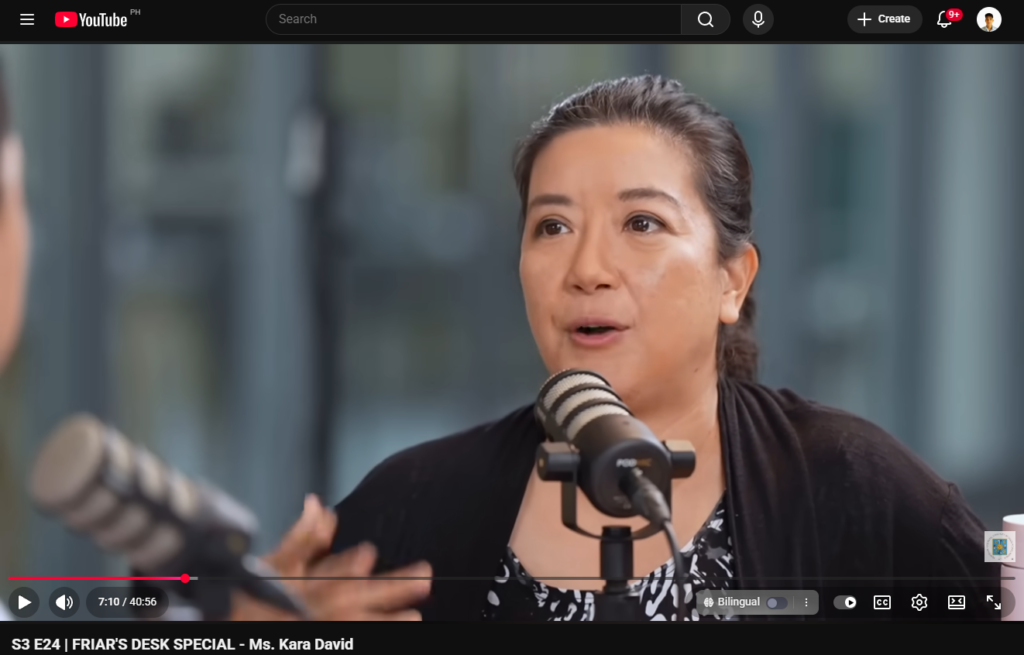
Stories of compassion in everyday life reinforce these lessons. Work by Kara David highlights individuals who choose fairness and humility over greed, showing how perspective shapes moral choices.
Compassion as a way of life through real stories – S3 E24 | FRIAR’S DESK SPECIAL – Ms. Kara David
FAQ's:
What does perspective mean?
Perspective is how a person understands life based on experience, reflection, and values.
Perspective in life or on life?
Perspective in life guides how you live; perspective on life shapes how you interpret the world.
What is the third-person point of view?
It is the ability to see situations beyond personal bias.
What is your perspective in life?
A balanced view shaped by humility, compassion, and openness to learning.
What are perspective drawings?
Illustrations that show how viewpoint changes perception.
What is the meaning of life?
Meaning is shaped by perspective, connection, and purpose beyond self.